The ongoing parsing of Reader's Digests article "50 Secrets Your Vet Won't Tell You" continues....
"New staff or training students sometimes practice injections or catheter placement on your pet. If you'd rather not allow your pet to be used this way, make sure you say something beforehand."
I am having trouble even starting to address this one.
Here's the fact- each state has a set of laws that lays out rules for who can do what. This is as true in veterinary medicine as it is on the human side. So I'm not sure to what this person is referring. Yes, there may be newly graduated vet techs in the practice. Just like the vet might be "new."
But you have to remember that these are highly trained professionals, not random people off the street. They have already completed training, and by law are allowed to perform tasks within their job descriptions. Is there some on the job training? Sure. there's a first (and second) time for everything. Even for me.
Seems to me that if you trust your vet to have hired competent staff, and to oversee them properly, this should not be a concern.
Enjoy your pets!
Showing posts with label pet. Show all posts
Showing posts with label pet. Show all posts
Monday, July 16, 2012

Tuesday, July 3, 2012
Secret #12- show me your liscense and registration, please
"At a veterinary meeting I attended, it came out that more than half the vets there had not licensed their dogs, which is required by local law."
Well, this may be a case of "do as I say, not as I do." Or perhaps "shoemakers wives go barefoot and doctor's wives die young."
My dogs are licensed. It is the right thing to do, and the legal one. I encourage my puppy owners to get their licenses. Vets should do the same. I hate to think that the lack of licesnsure is deliberate- we are all busy, and it's easy to overlook some things.
So, vets, let's be sure we "practice what we preach" and take all the right steps to keep our pets safe.
Enjoy your pets!
Well, this may be a case of "do as I say, not as I do." Or perhaps "shoemakers wives go barefoot and doctor's wives die young."
My dogs are licensed. It is the right thing to do, and the legal one. I encourage my puppy owners to get their licenses. Vets should do the same. I hate to think that the lack of licesnsure is deliberate- we are all busy, and it's easy to overlook some things.
So, vets, let's be sure we "practice what we preach" and take all the right steps to keep our pets safe.
Enjoy your pets!
Thursday, June 21, 2012
#7- where's my tricorder?
"Here's a pet peeve: owners who don't want to pay for diagnostic tests but then cop an attitude because you don't know what's wrong with the animal. Since you won't let me do the blood work or x-rays, how the heck do you expect me to know?"
Yep, I think we've all been there. Look, gentle readers, we vets are good at what we do, but we are not psychic, we do not have magic 8 balls with all the answers. What we have is years of training, years of experience, and great testing (diagnostic) options available to us.
Many of us would love to provide the diagnostics (and our time, and our technician's time, and our receptionist's time, and the light and the heat, etc) to you for free, but we can't, any more than you provide your services or time for free at your place of employment.
Here's the thing- excellent veterinary medical care is expensive. We can't get past it.
Step back- actually, excellent veterinary care is a really good bargain. Like I have said in a previous post, each of my c-sections cost over $15,000. The last c-section/spay I performed cost the owner $800. Cheap.
But here's the point the vet in the above quote is making- unlike human medicine, where it is between the doc and the insurance company which tests will be performed, in my office you are the responsible party. You say yes or no to the testing. You are faced with the budgeting.
Most of us vets understand living on a budget. We have it down. We will not berate you for not being able to afford something. Just don't act like it's our fault you can't afford it.
And don't get mad when we give you options for finding out what the issue at hand is, but cannot give you a definite answer when you can't agree to the diagnostics. It would be like calling my car repair place complaining of a noise in the engine, but not allowing them to open the hood or use a diagnostic tool. How can I expect them to know what's going on, let alone fix it, without all the information?
So until that great day when I get my tricorder, diagnostic testing like radiography, blood work and ultrasound will have to do. At a price.
Enjoy your pets!
Wednesday, June 6, 2012
Secret #1: Big Dog/Small Dog
The quote:
"People always ask: 'How do you handle pit bulls and rottweilers and big german shepherds?' The truth is, the dogs that scare me most are the little chihuahuas. They're much more likely to bite."
I have jokingly said for years- ever since my stint as "kennel crew" that I am more worried about the small breed dogs that are aggressive than the bigger ones. The small dogs seem like they are more likely to bite without warning. They lunge fast. Sometimes they insist on biting my shoes even when we are all done with the doctor stuff.

But...big dogs that are aggressive tend to cause worse injuries. I have the scars to prove it. They can be much harder to restrain- imagine a 100 lb vet tech trying to hold a 150 lb dog, who does not want to be held, for a blood draw. Or a nail trim. It can get hairy.
I think the larger point is this- we all prefer to see the well-mannered, well trained dog come into the practice. Sure, we can deal with the nasty ones. We have muzzles and medication. But there is very little reason to joke- a bite from any pet can be terrible. And yes, this includes cats, ferrets, iguanas and birds.
Enjoy your pets!
"People always ask: 'How do you handle pit bulls and rottweilers and big german shepherds?' The truth is, the dogs that scare me most are the little chihuahuas. They're much more likely to bite."
I have jokingly said for years- ever since my stint as "kennel crew" that I am more worried about the small breed dogs that are aggressive than the bigger ones. The small dogs seem like they are more likely to bite without warning. They lunge fast. Sometimes they insist on biting my shoes even when we are all done with the doctor stuff.
But...big dogs that are aggressive tend to cause worse injuries. I have the scars to prove it. They can be much harder to restrain- imagine a 100 lb vet tech trying to hold a 150 lb dog, who does not want to be held, for a blood draw. Or a nail trim. It can get hairy.
I think the larger point is this- we all prefer to see the well-mannered, well trained dog come into the practice. Sure, we can deal with the nasty ones. We have muzzles and medication. But there is very little reason to joke- a bite from any pet can be terrible. And yes, this includes cats, ferrets, iguanas and birds.
Enjoy your pets!
Tuesday, May 15, 2012
Orchiectomy
"His are mine."
OK, boys. Please don't tell me that you really take this seriously. I had a client once tell me that he did not want to neuter his dog because "his are mine." I really wanted to show him that that was not true- that each of them did, in fact, have their own separate set of testicles. I held my tongue.
There is an overpopulation of pets. This is generally accepted. Male cats and dogs play a pivotal role in continuing population growth. True. A male can inseminate many females, where a female is limited by heat cycles an pregancy to a finite number of offspring a year. Cannot be debated. But as I have said before, there is more to the story.
Orchiectomy- to remove the testicles. Neuter. Alter. Fix. Unman.
Poor things. They will miss all that testosterone, the need to fornicate with any willing female.
HUH?
Imagine you are a housedog, male, over 6 months of age. Now imagine that while you have your testicles intact, your people have no intention of letting you breed. They know all about pet overpopulation problems, do not want puppies themselves, but don't want to deprive you of your manlihood. How frustrsted are you? No sex? A pillow? No wonder you attack everyone and everything in sight. And now it's spring (or fall) and the pheromones (scent hormones) flying through the air from that female in heat 3 streets over, and those up to a mile away, are in the air. They are driving you nuts!
So you pace the fence. You bolt out the front door. You actually make it out of the yard and into the street and.....BAM!
Never saw the car coming, did you? You were so crazy with the genetically programmed, hormone driven need to procreate you just got maimed. Or killed.
I'm not kidding. The drive is strong. To be neutered is safer. And seriously, the dogs and cats don't mind.
Here's a story...when I met my husband, he had an adult male Americal Bulldog named Sabo (named for the depleted uranium tank missiles, not the baseball player). Sabo was a great dog, one of the best personalities you'd ever hope top meet. Finally, after a couple years of asking, my husband let me neuter Sabo. Jeff was concerned. He didn't want to lose his macho protection-trained dog and gain a couch potato. But he wanted the best for Sabo's health. So he was neutered. About six months later I asked Jeff- "So, what do you think? Do you regret letting me do that?"
Jeff's reply, "He's the same dog he ever was." And after that, Jeff became the champion of the neighborhood recommending sapy and neuter to anyone who would listen.
What happens if you don't neuter? Besides frustration, the increased likelihood of injury? Well, the boys can get cancer, too. In the testicles. Or around the anus. Nasty, life-threatening, painful, testosterone driven cancer.
Please. For their health. So you can enjoy him longer. Neuter.
Enjoy your pets!
OK, boys. Please don't tell me that you really take this seriously. I had a client once tell me that he did not want to neuter his dog because "his are mine." I really wanted to show him that that was not true- that each of them did, in fact, have their own separate set of testicles. I held my tongue.
There is an overpopulation of pets. This is generally accepted. Male cats and dogs play a pivotal role in continuing population growth. True. A male can inseminate many females, where a female is limited by heat cycles an pregancy to a finite number of offspring a year. Cannot be debated. But as I have said before, there is more to the story.
Orchiectomy- to remove the testicles. Neuter. Alter. Fix. Unman.
Poor things. They will miss all that testosterone, the need to fornicate with any willing female.
HUH?
Imagine you are a housedog, male, over 6 months of age. Now imagine that while you have your testicles intact, your people have no intention of letting you breed. They know all about pet overpopulation problems, do not want puppies themselves, but don't want to deprive you of your manlihood. How frustrsted are you? No sex? A pillow? No wonder you attack everyone and everything in sight. And now it's spring (or fall) and the pheromones (scent hormones) flying through the air from that female in heat 3 streets over, and those up to a mile away, are in the air. They are driving you nuts!
So you pace the fence. You bolt out the front door. You actually make it out of the yard and into the street and.....BAM!
Never saw the car coming, did you? You were so crazy with the genetically programmed, hormone driven need to procreate you just got maimed. Or killed.
I'm not kidding. The drive is strong. To be neutered is safer. And seriously, the dogs and cats don't mind.
Here's a story...when I met my husband, he had an adult male Americal Bulldog named Sabo (named for the depleted uranium tank missiles, not the baseball player). Sabo was a great dog, one of the best personalities you'd ever hope top meet. Finally, after a couple years of asking, my husband let me neuter Sabo. Jeff was concerned. He didn't want to lose his macho protection-trained dog and gain a couch potato. But he wanted the best for Sabo's health. So he was neutered. About six months later I asked Jeff- "So, what do you think? Do you regret letting me do that?"
Jeff's reply, "He's the same dog he ever was." And after that, Jeff became the champion of the neighborhood recommending sapy and neuter to anyone who would listen.
What happens if you don't neuter? Besides frustration, the increased likelihood of injury? Well, the boys can get cancer, too. In the testicles. Or around the anus. Nasty, life-threatening, painful, testosterone driven cancer.
Please. For their health. So you can enjoy him longer. Neuter.
Enjoy your pets!
Monday, May 7, 2012
Ovariohysterectomy
Whew! That's a big word for a post title! You can say spay if you'd rather- I use spay more than ovariohysterectomy myself. But I think it's a good idea to remember just what we are talking about. So let's break it down:
ovario- having to do with the ovaries (the organ that makes eggs and produces some hormones)
hyster- Greek for uterus (also the basis for words like hysteria and hysterical- think about that)
ectomy- to cut out
Therefore- an ovariohysterectomy is to cut out the ovaries and uterus. Spay. Sterilize. Alter. Fix.
Look, folks, this is major surgery. We veterinarians do it every day, in some cases dozens of times in a day. So we look at it as "routine" surgery. But it is in fact significant surgery. We open up the abdomen (belly) and take out organs. Organs that have a tendency to bleed. This takes education and skill.
I'm not here to whine, so I apologize for sounding whiny. Vets hear complaints about pricing so often that we develop some sensitivities about it. Add that to many people thinking that we are not "real" doctors and we can get a serious complex.
Here are the facts. We have a pet population problem in much of the country. One way to reduce pet population is to consistently spay and neuter our pets that are not going to be used for purposeful, conscientious breeding.
But as I have written before (and said many, many times) population control is not the only- or maybe even the best- reason to spay your pet. Health is.
Ovariohysterectomy. Removing the ovaries and uterus means we will never have ovarian cancer or uterine cancer in that dog or cat. If you spay young, preferably before the first heat, we almost eliminate the chances of mammary cancer. Yes, dogs and cats get breast cancer. It is hormone driven, and the risks increase with the first few heat cycles. If you wait to spay until they have had three or more heats, you increase the chances that they will develop breast (mammary) cancer later in life. And yes, breast cancer can kill dogs and cats.
If those reasons aren't enough, let me give you one more. Pyometra. Shall we break it down again?
pyo- pus, infected
metra- uterus
A pyometra is an infected uterus. Imagine a tube that is normally the size of a pencil swollen to the size of a summer sausage. Now imagine that sausage in your belly. Ouch and yuck, right?
Now imagine that there are two summer sausages side by side, connected at the bottom. The sausages are filled with pus, not meat. That's an infected uterus for a dog or cat. Some are closed pyometras, which means the pus stays inside the uterus until it bursts. That's awful, painful, and life-threatening. Deadly.
Or the pus can drain out. This might be a little less deadly in the short term, but imagine a constant stream of thick, smelly pus draining from your nether regions. Imagine feeling nauseous, urinating all the time, feverish, crampy, bloated....
Then imagine your doctor scheduling emergency surgery to remove this nasty, pus-filled, distended, tends-to-tear-and-leak-all-over organ. After normal hours. Or over lunch. The MDs bill would probably run in the tens of thousands range (my C-sections were each over $10,000). Your vet likely charges 1/10 of that for the emergency surgery. A "routine" spay at 4-6 months of age will cost significantly less than an emergency spay.
See why we push for ovariohysterectomies when pets are young? We want them to be well. We want to impact your budget less. Really.
Enjoy your pets!
ovario- having to do with the ovaries (the organ that makes eggs and produces some hormones)
hyster- Greek for uterus (also the basis for words like hysteria and hysterical- think about that)
ectomy- to cut out
Therefore- an ovariohysterectomy is to cut out the ovaries and uterus. Spay. Sterilize. Alter. Fix.
Look, folks, this is major surgery. We veterinarians do it every day, in some cases dozens of times in a day. So we look at it as "routine" surgery. But it is in fact significant surgery. We open up the abdomen (belly) and take out organs. Organs that have a tendency to bleed. This takes education and skill.
I'm not here to whine, so I apologize for sounding whiny. Vets hear complaints about pricing so often that we develop some sensitivities about it. Add that to many people thinking that we are not "real" doctors and we can get a serious complex.
Here are the facts. We have a pet population problem in much of the country. One way to reduce pet population is to consistently spay and neuter our pets that are not going to be used for purposeful, conscientious breeding.
But as I have written before (and said many, many times) population control is not the only- or maybe even the best- reason to spay your pet. Health is.
Ovariohysterectomy. Removing the ovaries and uterus means we will never have ovarian cancer or uterine cancer in that dog or cat. If you spay young, preferably before the first heat, we almost eliminate the chances of mammary cancer. Yes, dogs and cats get breast cancer. It is hormone driven, and the risks increase with the first few heat cycles. If you wait to spay until they have had three or more heats, you increase the chances that they will develop breast (mammary) cancer later in life. And yes, breast cancer can kill dogs and cats.
If those reasons aren't enough, let me give you one more. Pyometra. Shall we break it down again?
pyo- pus, infected
metra- uterus
A pyometra is an infected uterus. Imagine a tube that is normally the size of a pencil swollen to the size of a summer sausage. Now imagine that sausage in your belly. Ouch and yuck, right?
Now imagine that there are two summer sausages side by side, connected at the bottom. The sausages are filled with pus, not meat. That's an infected uterus for a dog or cat. Some are closed pyometras, which means the pus stays inside the uterus until it bursts. That's awful, painful, and life-threatening. Deadly.
Or the pus can drain out. This might be a little less deadly in the short term, but imagine a constant stream of thick, smelly pus draining from your nether regions. Imagine feeling nauseous, urinating all the time, feverish, crampy, bloated....
Then imagine your doctor scheduling emergency surgery to remove this nasty, pus-filled, distended, tends-to-tear-and-leak-all-over organ. After normal hours. Or over lunch. The MDs bill would probably run in the tens of thousands range (my C-sections were each over $10,000). Your vet likely charges 1/10 of that for the emergency surgery. A "routine" spay at 4-6 months of age will cost significantly less than an emergency spay.
See why we push for ovariohysterectomies when pets are young? We want them to be well. We want to impact your budget less. Really.
Enjoy your pets!
Wednesday, April 18, 2012
No shots for you!
So, let's say you are totally, completely against vaccines. Or you are the proud pet parent of a dog who has allergic reactions to vaccines. Now what?
This is where the art of medicine starts to play more of a role. Each pet is an individual. And we, as veterinarians, need to keep this in mind and be ready to tailor protocols to meet the individual's needs, keeping health and safety in mind at all times. This, folks, is the basis of the concept of holistic medicine- treating the whole patient. We vets do it almost without thinking every day. There is very little that is set in stone for us.
Vaccines are very important. They keep our pets protected from life-threatening diseases, and some diseases that may not be life-threatening, but can be debilitating. These same vaccines also help protect the people in our pets' lives, as well. There are several diseases that we can catch from the animals in our lives. Rabies is one obvious one. Leptospirosis, a bacteria that affects the liver and kidneys, is another. If a pet is able to get a recommended vaccine, I strongly urge owners to comply.

But some won't, and some can't. So now what?
There are a few options for vaccines. If you have a dog or cat that gets a mild reaction to the vaccine (like hives or mild vomiting) we can pre-medicate with a steroid and Benadryl, or a steroid or Benadryl. This helps to decrease the immune system's response to the perceived immune trigger. Most of the time this seems to help.
If, however, your pet has had a more severe reaction, or has had a reaction despite pre-medication, we may consider other options. One option is to choose to stop giving vaccines. I cringe a little as I type this, because discontinuing the vaccines carries inherent risks. Therefore, anytime I have this discussion with a pet's people, I try to make it very clear that we are balancing risks and benefits, and in choosing to not vaccinate we are incurring some risks that need to be known. We are knowingly leaving a gap in out pet's immunity. The risk of life-threatening parvo or distemper in an adult, otherwise healthy dog that has at least had the puppy series of vaccines is probably fairly low. But it does exist. There is always a risk of being exposed to, and contracting, kennel cough. Or lepto.
Choosing to stop vaccines means most kennels and pet resorts will not board your pet. You may need to make other arrangements when you go out of town. Some groomers require up to date vaccines for grooming appointments. Don't be mad at them- they have responsibility to keep all of the pets in their care safe.
There are tests for the level of immunity in a pet's system. You may have heard of titer tests. If you are against vaccines on principle, you may have discussed them with your vet. Titer tests can be helpful, but they are not perfect.
A titer is the concentration of something. A titer test is a test to determine the concentration of that thing. The way this works with immunity, a blood sample is drawn at the vet's and sent to a laboratory. The lab technicians (or a machine) place drops of the blood sample into small vials. They serially dilute each sample. In other words, the vials will have all blood, 1/2 blood. 1/4 blood, 1/16 blood, 1/32 blood, etc. They then check to see at what dilution the blood sample stops reacting to an analog for the disease. The last one to react is reported back to us. I get a report that says something like- titer IgG parvo 1:400 (making up the details here). Then I compare that ratio number to what is generally considered to be protective immunity. This gives us a yes or know answer to the question: is my pet protected from this disease?
Sounds cool, right? Blood test says yes, there is protection, then there is no need to vaccinate this year. Blood test says no, then we need the shot. Great. Next patient, please....
Problem is this- titer immunity does not necessarily correlate to true protection. UGH
We use the test anyway. I get titer tested periodically to see if my rabies vaccines I got a decade ago are still effective. We send blood to Kansas to be tested for pets going to Hawaii or Europe- they must be rabies titered. But I don't titer my own pets in place of vaccines. I give the shots.
 fotosearch.com
Why? I believe that the immunity given by the shots is important. I believe that the titers are useful, but not absolute. I believe that the risk associated with vaccines is much smaller than the risk of disease. I want to take advantage of the amazing, incredible protection modern medicine is able to provide. But that's my decision, for my pets. If you want to discuss the ins and outs of vaccines for your pets, I will. I have many pets that have altered vaccine schedules, a few that I do not vaccinate at all. Holistic. Individual. Tailored.
Enjoy your pets!
This is where the art of medicine starts to play more of a role. Each pet is an individual. And we, as veterinarians, need to keep this in mind and be ready to tailor protocols to meet the individual's needs, keeping health and safety in mind at all times. This, folks, is the basis of the concept of holistic medicine- treating the whole patient. We vets do it almost without thinking every day. There is very little that is set in stone for us.
Vaccines are very important. They keep our pets protected from life-threatening diseases, and some diseases that may not be life-threatening, but can be debilitating. These same vaccines also help protect the people in our pets' lives, as well. There are several diseases that we can catch from the animals in our lives. Rabies is one obvious one. Leptospirosis, a bacteria that affects the liver and kidneys, is another. If a pet is able to get a recommended vaccine, I strongly urge owners to comply.
But some won't, and some can't. So now what?
There are a few options for vaccines. If you have a dog or cat that gets a mild reaction to the vaccine (like hives or mild vomiting) we can pre-medicate with a steroid and Benadryl, or a steroid or Benadryl. This helps to decrease the immune system's response to the perceived immune trigger. Most of the time this seems to help.
If, however, your pet has had a more severe reaction, or has had a reaction despite pre-medication, we may consider other options. One option is to choose to stop giving vaccines. I cringe a little as I type this, because discontinuing the vaccines carries inherent risks. Therefore, anytime I have this discussion with a pet's people, I try to make it very clear that we are balancing risks and benefits, and in choosing to not vaccinate we are incurring some risks that need to be known. We are knowingly leaving a gap in out pet's immunity. The risk of life-threatening parvo or distemper in an adult, otherwise healthy dog that has at least had the puppy series of vaccines is probably fairly low. But it does exist. There is always a risk of being exposed to, and contracting, kennel cough. Or lepto.
Choosing to stop vaccines means most kennels and pet resorts will not board your pet. You may need to make other arrangements when you go out of town. Some groomers require up to date vaccines for grooming appointments. Don't be mad at them- they have responsibility to keep all of the pets in their care safe.
There are tests for the level of immunity in a pet's system. You may have heard of titer tests. If you are against vaccines on principle, you may have discussed them with your vet. Titer tests can be helpful, but they are not perfect.
A titer is the concentration of something. A titer test is a test to determine the concentration of that thing. The way this works with immunity, a blood sample is drawn at the vet's and sent to a laboratory. The lab technicians (or a machine) place drops of the blood sample into small vials. They serially dilute each sample. In other words, the vials will have all blood, 1/2 blood. 1/4 blood, 1/16 blood, 1/32 blood, etc. They then check to see at what dilution the blood sample stops reacting to an analog for the disease. The last one to react is reported back to us. I get a report that says something like- titer IgG parvo 1:400 (making up the details here). Then I compare that ratio number to what is generally considered to be protective immunity. This gives us a yes or know answer to the question: is my pet protected from this disease?
Sounds cool, right? Blood test says yes, there is protection, then there is no need to vaccinate this year. Blood test says no, then we need the shot. Great. Next patient, please....
Problem is this- titer immunity does not necessarily correlate to true protection. UGH
We use the test anyway. I get titer tested periodically to see if my rabies vaccines I got a decade ago are still effective. We send blood to Kansas to be tested for pets going to Hawaii or Europe- they must be rabies titered. But I don't titer my own pets in place of vaccines. I give the shots.
fotosearch.comWhy? I believe that the immunity given by the shots is important. I believe that the titers are useful, but not absolute. I believe that the risk associated with vaccines is much smaller than the risk of disease. I want to take advantage of the amazing, incredible protection modern medicine is able to provide. But that's my decision, for my pets. If you want to discuss the ins and outs of vaccines for your pets, I will. I have many pets that have altered vaccine schedules, a few that I do not vaccinate at all. Holistic. Individual. Tailored.
Enjoy your pets!
Sunday, April 1, 2012
SHOOT!
Let's talk shots.
I like lemon drops. And my brother once got smashed on something called a Louisiana leg-spreader.
But that's not really what I want to discuss. Sorry. Instead, let's talk about the shots we vets give your pets. The vaccines.
Some people will have you believe that vaccines are not important for health. Some will tell you that vaccines are actually dangerous. Some will tell you that they are absolutely essential at every annual or semi-annual vet visit. So what is the truth?
The truth is fluid. We are constantly re-evaluating the risks and benefits of all vaccines. This is actually true on the human side of medicine as well as on my side. So there may be changes in the recommendations of which vaccines to give, when in life and how often to give them. Even the best methods to administer them. Vets "in the trenches" are left to shuffle through the evidence and the recommendations and develop protocols for our patients that we are comfortable with.
And herein lies one of the basic issues. I'm not exactly sure just how it works with people, but at the pediatrician level at least there appears to be one set code of rules for vaccines. These are set by a group and are followed by all pediatricians. Schools require that these codes are followed. There is consistency. Vets get recommendations from groups such as the American Animal Hospital Association or the Association of Feline Practitioners, but we don't have a group that we allow to set the rules that we all follow. Veterinarians are pretty independent by nature, and we don't like to be dictated to.
So this leaves us in something of a quandary. Where do we get our information? Who do we trust? Do we trust the companies that make the vaccines to have the best, unbiased information? We need to know the agenda of whomever we are trusting for the data that we use to set our vaccine schedules. We hope that our associations will look at all the evidence available and help develop recommendations that are based on good science. Are they?
This is why the protocols we all follow may change from time to time. We are all, as a group and as individual veterinarians within our own practices, continually re-examining the evidence we have at hand. We are sometimes slow to change, but that is because we need to be convinced that the change is safe and effective. So this month I want to talk shots. I will not claim to have all the answers. I may well ruffle some feathers. I hope to make you think just a little about some of the blanket statements you hear.
Then maybe we can go out for a lemon drop or two.
I like lemon drops. And my brother once got smashed on something called a Louisiana leg-spreader.
But that's not really what I want to discuss. Sorry. Instead, let's talk about the shots we vets give your pets. The vaccines.
Some people will have you believe that vaccines are not important for health. Some will tell you that vaccines are actually dangerous. Some will tell you that they are absolutely essential at every annual or semi-annual vet visit. So what is the truth?
The truth is fluid. We are constantly re-evaluating the risks and benefits of all vaccines. This is actually true on the human side of medicine as well as on my side. So there may be changes in the recommendations of which vaccines to give, when in life and how often to give them. Even the best methods to administer them. Vets "in the trenches" are left to shuffle through the evidence and the recommendations and develop protocols for our patients that we are comfortable with.
And herein lies one of the basic issues. I'm not exactly sure just how it works with people, but at the pediatrician level at least there appears to be one set code of rules for vaccines. These are set by a group and are followed by all pediatricians. Schools require that these codes are followed. There is consistency. Vets get recommendations from groups such as the American Animal Hospital Association or the Association of Feline Practitioners, but we don't have a group that we allow to set the rules that we all follow. Veterinarians are pretty independent by nature, and we don't like to be dictated to.
So this leaves us in something of a quandary. Where do we get our information? Who do we trust? Do we trust the companies that make the vaccines to have the best, unbiased information? We need to know the agenda of whomever we are trusting for the data that we use to set our vaccine schedules. We hope that our associations will look at all the evidence available and help develop recommendations that are based on good science. Are they?
This is why the protocols we all follow may change from time to time. We are all, as a group and as individual veterinarians within our own practices, continually re-examining the evidence we have at hand. We are sometimes slow to change, but that is because we need to be convinced that the change is safe and effective. So this month I want to talk shots. I will not claim to have all the answers. I may well ruffle some feathers. I hope to make you think just a little about some of the blanket statements you hear.
Then maybe we can go out for a lemon drop or two.
Monday, February 27, 2012
Eat to Live, obesity part IV
OK, guys, so we've discussed how obesity is a health issue of epidemic proportions. And that it is our fault as pet parents. So what do we do about it? Well, the concepts are simple, but I'm the first to admit that the execution can be difficult. Not impossible, though, and well worth the time and effort you will invest.
An ounce of prevention is worth a pound of cure. Sayings like this are out there because there is at least a grain of truth to them. Start early. Roly-poly puppies are cute, yes, but lean pups are healthier. I don't mean ribs-poking-out skinny, just not watch-the-fat-rolls-shift-as-he-runs chubby. Many puppies come from the breeder a little overweight. They are eating solid foods, but may still be nursing, so they can be over-nutritioned. That's OK, just keep in mind that you will want to monitor weight gain to allow them to slim down as they approach adolescence. In other words, we want to be sure the baby fat goes away.
For dogs, a complete, balanced puppy food will do fine until they either reach a year old or are spayed or neutered, at which time a complete and balanced adult dry food will be fine. A treat of canned food is ok, too, just be aware that the canned foods tend to be calorie dense. You can start with the recommended amount of food on the bag, but if your pet is spayed or neutered, or over the age of 3, he/she will likely need a smaller amount than their bag recommends. So be prepared to cut back. I like to recommend feeding at least twice daily, but you can certainly decrease the amount per feeding and feed more frequently, allowing your dog to share in mealtime patterns. Some vets will tell you that feeding carrots or green beans can add bulk and promote a feeling of fullness with each meal, or as a snack in between. I agree.
The prevention method is good for cats, too. But there are some differences. Cats have very limited calorie requirements compared to dogs. Cats require more protein than dogs do, so their food is higher in protein and sometimes fat. But dry food still has a large percentage of carbohydrates present (that's how it is made into dry food). An increasing number of veterinary nutritionists are recommending a paradigm shift- it is very likely healthier for cats to be on a canned food exclusive diet. I know, this is very different from what we have been told for years- dry food for dental health, right? Not so. Cats on canned food get more protein, which their bodies need, less carbohydrates, which their bodies do not need, and generally seem to do better. The canned food also forces more water into their systems, which is very helpful.
Starting kittens off on canned food diets is great. If you have an older cat who has only eaten dry food, she might not realize canned food is food. Don't panic, and don't force. We adjust all plans to suit the individual.
So, what to do with a pet that is already overweight? Diet, diet, diet. Start by talking to your vet. Make a detailed plan for calorie control, exercise, and periodic weigh-ins. You might be shocked at how much you will need to cut back in calories to get good weight loss, but we are not talking fad diets, or getting into those old jeans in a week! Weight loss needs to be gradual. Especially for cats. Cats that loose weight too quickly can actually get sick. Their bodies mobilize fat, but instead of using it for energy, they store the fat in their livers, which makes the liver unable to function properly. This is called hepatic lipidosis, or fatty liver disease. It can be life-threatening. So proceed with caution. Dogs are more resilient, but we will get better long term results taking the weight loss slowly.
Good luck! And always enjoy your pets!
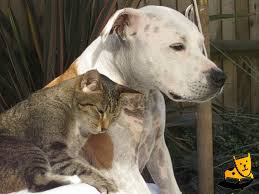
dailypets.co.uk
An ounce of prevention is worth a pound of cure. Sayings like this are out there because there is at least a grain of truth to them. Start early. Roly-poly puppies are cute, yes, but lean pups are healthier. I don't mean ribs-poking-out skinny, just not watch-the-fat-rolls-shift-as-he-runs chubby. Many puppies come from the breeder a little overweight. They are eating solid foods, but may still be nursing, so they can be over-nutritioned. That's OK, just keep in mind that you will want to monitor weight gain to allow them to slim down as they approach adolescence. In other words, we want to be sure the baby fat goes away.
For dogs, a complete, balanced puppy food will do fine until they either reach a year old or are spayed or neutered, at which time a complete and balanced adult dry food will be fine. A treat of canned food is ok, too, just be aware that the canned foods tend to be calorie dense. You can start with the recommended amount of food on the bag, but if your pet is spayed or neutered, or over the age of 3, he/she will likely need a smaller amount than their bag recommends. So be prepared to cut back. I like to recommend feeding at least twice daily, but you can certainly decrease the amount per feeding and feed more frequently, allowing your dog to share in mealtime patterns. Some vets will tell you that feeding carrots or green beans can add bulk and promote a feeling of fullness with each meal, or as a snack in between. I agree.
The prevention method is good for cats, too. But there are some differences. Cats have very limited calorie requirements compared to dogs. Cats require more protein than dogs do, so their food is higher in protein and sometimes fat. But dry food still has a large percentage of carbohydrates present (that's how it is made into dry food). An increasing number of veterinary nutritionists are recommending a paradigm shift- it is very likely healthier for cats to be on a canned food exclusive diet. I know, this is very different from what we have been told for years- dry food for dental health, right? Not so. Cats on canned food get more protein, which their bodies need, less carbohydrates, which their bodies do not need, and generally seem to do better. The canned food also forces more water into their systems, which is very helpful.
Starting kittens off on canned food diets is great. If you have an older cat who has only eaten dry food, she might not realize canned food is food. Don't panic, and don't force. We adjust all plans to suit the individual.
So, what to do with a pet that is already overweight? Diet, diet, diet. Start by talking to your vet. Make a detailed plan for calorie control, exercise, and periodic weigh-ins. You might be shocked at how much you will need to cut back in calories to get good weight loss, but we are not talking fad diets, or getting into those old jeans in a week! Weight loss needs to be gradual. Especially for cats. Cats that loose weight too quickly can actually get sick. Their bodies mobilize fat, but instead of using it for energy, they store the fat in their livers, which makes the liver unable to function properly. This is called hepatic lipidosis, or fatty liver disease. It can be life-threatening. So proceed with caution. Dogs are more resilient, but we will get better long term results taking the weight loss slowly.
Good luck! And always enjoy your pets!
dailypets.co.uk
Sunday, February 26, 2012
obesity part III- special effects
Obesity is not just cosmetic. It is truly an illness, and increases the chances of developing other illnesses. This is a true for our pets as it is for us.
Arthritis pain can be increased by obesity. All that extra weight increases the impact on joints, aggravating the pain that may have already been present from arthritis, hip dysplasia, or intervertebral disc disease.
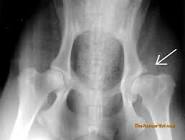 surfdogrichocet.com
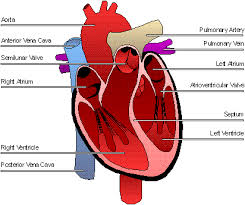
Heart disease. If the heart has to work harder to push blood through more vessels supplying fat cells, it can show problems with it's ability to pump that blood effectively.
Respiratory (breathing) issues. Dogs that are overweight have an increased risk of cough. They tend to pant more- working harder to move those fat-covered ribs. They seem to snore more, too.
Infections. Skin folds create great spots for bacteria to overgrow and cause skin infections. Extra skin that flaps over the vulva can make dogs more prone to vaginal and bladder infections.
So, there you have it. None of this is new information, but it all leads into the importance of attaining and maintaining a healthy weight.
One last word today. Dogs can have a condition in which the thyroid gland (a gland in the neck that produces hormones that regulate metabolism) under produces thyroid hormone. This is hypothyroidism, and it can decrease the metabolism top the point that dogs gain weight even on reduced calorie diets. Cats are very rarely hypothyroid. Your veterinarian can do blood work to confirm or rule out hypothyroidism, and can prescribe medication when it is present.
Enjoy your pets!
Arthritis pain can be increased by obesity. All that extra weight increases the impact on joints, aggravating the pain that may have already been present from arthritis, hip dysplasia, or intervertebral disc disease.
Diabetes is highly correlated with obesity in pets. Cats are at particular risk of this effect.
Hypertension. Again, cats are at particular risk of increased blood pressure. The hypertension, in turn can have terrible effects of other organs- kidneys and heart in particular.
Heart disease. If the heart has to work harder to push blood through more vessels supplying fat cells, it can show problems with it's ability to pump that blood effectively.
Respiratory (breathing) issues. Dogs that are overweight have an increased risk of cough. They tend to pant more- working harder to move those fat-covered ribs. They seem to snore more, too.
Infections. Skin folds create great spots for bacteria to overgrow and cause skin infections. Extra skin that flaps over the vulva can make dogs more prone to vaginal and bladder infections.
So, there you have it. None of this is new information, but it all leads into the importance of attaining and maintaining a healthy weight.
One last word today. Dogs can have a condition in which the thyroid gland (a gland in the neck that produces hormones that regulate metabolism) under produces thyroid hormone. This is hypothyroidism, and it can decrease the metabolism top the point that dogs gain weight even on reduced calorie diets. Cats are very rarely hypothyroid. Your veterinarian can do blood work to confirm or rule out hypothyroidism, and can prescribe medication when it is present.
Enjoy your pets!
Monday, January 2, 2012
New Year, New Thoughts
Welcome! This is my blog of infancy- it's a new experience for me, so I ask those who stumble across it to be kind. You will be able to find more about me and what I do if you would like to like my site on Facebook, Pet Alternative Therapy at Home, or check the website, http://www.path-vet.com/.
But here are the basics to get us started. I am a veterinarian. I graduated from Ohio State in 1999. I have worked with small aninals and "exotics" (small fuzzy furries) as a vet since then. In 2011, I became certified in veterinary acupuncture and started a small housecall acupuncture practice.
This blog does not have a formal theme yet- I suspect that will develop with time. My goals for now are to have some information, some opinion, and likely the occasional rant. I will do my best to identify the difference between each catagory.
So, again, welcome!
But here are the basics to get us started. I am a veterinarian. I graduated from Ohio State in 1999. I have worked with small aninals and "exotics" (small fuzzy furries) as a vet since then. In 2011, I became certified in veterinary acupuncture and started a small housecall acupuncture practice.
This blog does not have a formal theme yet- I suspect that will develop with time. My goals for now are to have some information, some opinion, and likely the occasional rant. I will do my best to identify the difference between each catagory.
So, again, welcome!
Subscribe to:
Posts (Atom)