Whew! That's a big word for a post title! You can say spay if you'd rather- I use spay more than ovariohysterectomy myself. But I think it's a good idea to remember just what we are talking about. So let's break it down:
ovario- having to do with the ovaries (the organ that makes eggs and produces some hormones)
hyster- Greek for uterus (also the basis for words like hysteria and hysterical- think about that)
ectomy- to cut out
Therefore- an ovariohysterectomy is to cut out the ovaries and uterus. Spay. Sterilize. Alter. Fix.
Look, folks, this is major surgery. We veterinarians do it every day, in some cases dozens of times in a day. So we look at it as "routine" surgery. But it is in fact significant surgery. We open up the abdomen (belly) and take out organs. Organs that have a tendency to bleed. This takes education and skill.
I'm not here to whine, so I apologize for sounding whiny. Vets hear complaints about pricing so often that we develop some sensitivities about it. Add that to many people thinking that we are not "real" doctors and we can get a serious complex.
Here are the facts. We have a pet population problem in much of the country. One way to reduce pet population is to consistently spay and neuter our pets that are not going to be used for purposeful, conscientious breeding.
But as I have written before (and said many, many times) population control is not the only- or maybe even the best- reason to spay your pet. Health is.
Ovariohysterectomy. Removing the ovaries and uterus means we will never have ovarian cancer or uterine cancer in that dog or cat. If you spay young, preferably before the first heat, we almost eliminate the chances of mammary cancer. Yes, dogs and cats get breast cancer. It is hormone driven, and the risks increase with the first few heat cycles. If you wait to spay until they have had three or more heats, you increase the chances that they will develop breast (mammary) cancer later in life. And yes, breast cancer can kill dogs and cats.
If those reasons aren't enough, let me give you one more. Pyometra. Shall we break it down again?
pyo- pus, infected
metra- uterus
A pyometra is an infected uterus. Imagine a tube that is normally the size of a pencil swollen to the size of a summer sausage. Now imagine that sausage in your belly. Ouch and yuck, right?
Now imagine that there are two summer sausages side by side, connected at the bottom. The sausages are filled with pus, not meat. That's an infected uterus for a dog or cat. Some are closed pyometras, which means the pus stays inside the uterus until it bursts. That's awful, painful, and life-threatening. Deadly.
Or the pus can drain out. This might be a little less deadly in the short term, but imagine a constant stream of thick, smelly pus draining from your nether regions. Imagine feeling nauseous, urinating all the time, feverish, crampy, bloated....
Then imagine your doctor scheduling emergency surgery to remove this nasty, pus-filled, distended, tends-to-tear-and-leak-all-over organ. After normal hours. Or over lunch. The MDs bill would probably run in the tens of thousands range (my C-sections were each over $10,000). Your vet likely charges 1/10 of that for the emergency surgery. A "routine" spay at 4-6 months of age will cost significantly less than an emergency spay.
See why we push for ovariohysterectomies when pets are young? We want them to be well. We want to impact your budget less. Really.
Enjoy your pets!
Showing posts with label infection. Show all posts
Showing posts with label infection. Show all posts
Monday, May 7, 2012

Friday, April 6, 2012
puppy shots
"The breeder told me he had all his shots."
grinninggoldens.com
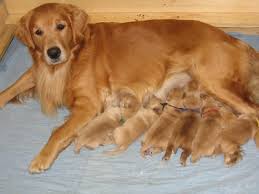
There are few things clients say to me that aggravate me more. This one isn't the clients fault. Breeders who give out wrong information or are deliberately misleading about needed vaccines drive me nuts. Please don't get me wrong. There are many really good breeders, people who breed because they love a certain type of dog or cat and want to do it right- breeding for temperament, health and longevity.
But there are some people who don't know what they are doing. And they seem to delight in putting really bad information out there like it is gospel truth. For example- "the pup has had all needed shots" at 8 weeks of age. UGH
OK here are the facts. Puppies and kittens get antibodies (infection fighters) from their mother, if the mother was properly vaccinated. These antibodies provide immunity to the puppies. Newborns drink these antibodies in their mother's milk. The antibodies cross over the intestinal lining intact and get to work keeping the babies safe from common diseases. This is good.
This immunity from mom doesn't last forever. And thanks to some amazing scientists over the years, we have developed ways to re-create immunity. Our immune systems have memory. Once you have been exposed to and defeated a disease, the body keeps a blueprint of the successful disease-fighting agents on file. Then, if the same disease is found later, it can be fought off faster, sometimes before we realize we are sick. Vaccines take the place of the initial disease encounter. They are tailored to stimulate the immune system to fight off an invader that doesn't actually make us sick, but then the blueprint is still available to fight off the real thing, should it ever be encountered. Obviously, I'm trying to simplify a bit. I'm sure you can find more complete explanations, I just didn't want to copy an immunology text onto the blog. Maybe just one picture, for kicks and giggles:

wikipedia.com
Back to the puppies and kittens. Mom's immunity in their systems lasts a few weeks. But somewhere between six and fourteen weeks of age, that immunity goes away. The babies are now susceptible to diseases. Nasty, life-threatening things like parvovirus. This is where we step in.
Most puppies and kittens will start getting vaccines about 6-8 weeks of age. They really don't need them any earlier, except perhaps if they were never nursed. This is not a random age choice. This is the early end of the loss of mom's immunity. We will then booster the vaccine (re-vaccinate) every 3-4 weeks until the puppy or kitten is over 14-16 weeks old. There is science to this, I swear. The vaccine provides better immunity that mom's alone in this time frame, but the lingering effects of mom's immunity and the immature state of the immune system don't allow the blueprints to be stored long-term. So we have to remind the system what it needs to be prepared to fight.
One the puppy or kitten is over that 14-16 week mark, the immune system can be expected to store the blueprint longer, generally for about a year for most diseases. So we usually give the last set of vaccines at about 4-5 months of age. Then we can schedule spay or neuter (but that's a discussion for another day).
So there you have it. This is why I go slightly nuts when I am presented with a cute, fuzzy, 10 week old puppy and am told that he had all his shots.
Or picture this scene:
Pitiful puppy on the exam table, about 5 months old, thin, tired, dehydrated because she has spent the last few hours/days vomiting and having severe diarrhea. The parvovirus test is positive for the disease.

greenwichtime.com
Me: "Parvo is a virus that causes life-threatening vomiting and diarrhea. I can't treat the virus. All we can do now is support her system and hope that she can fight the virus off herself. She may die. And the treatment to try to save her life will be expensive."
Owner: "But the breeder said she had all her shots! They gave her her parvo shots!"
Me: "How long have you had her?"
Owner: "Since she was 8 weeks old."
See the reason for my anxiety? This is a preventable disease. Now the person in the above scene will need to find money to pay for treatment that might not work. The owner didn't know. She was making decisions based on the information she was given when she bought the puppy. If the breeder had done the responsible thing, recommended monthly visits to the vet to discuss care and get shots, this could have been completely avoided.
Enjoy your pets!
grinninggoldens.com
There are few things clients say to me that aggravate me more. This one isn't the clients fault. Breeders who give out wrong information or are deliberately misleading about needed vaccines drive me nuts. Please don't get me wrong. There are many really good breeders, people who breed because they love a certain type of dog or cat and want to do it right- breeding for temperament, health and longevity.
But there are some people who don't know what they are doing. And they seem to delight in putting really bad information out there like it is gospel truth. For example- "the pup has had all needed shots" at 8 weeks of age. UGH
OK here are the facts. Puppies and kittens get antibodies (infection fighters) from their mother, if the mother was properly vaccinated. These antibodies provide immunity to the puppies. Newborns drink these antibodies in their mother's milk. The antibodies cross over the intestinal lining intact and get to work keeping the babies safe from common diseases. This is good.
This immunity from mom doesn't last forever. And thanks to some amazing scientists over the years, we have developed ways to re-create immunity. Our immune systems have memory. Once you have been exposed to and defeated a disease, the body keeps a blueprint of the successful disease-fighting agents on file. Then, if the same disease is found later, it can be fought off faster, sometimes before we realize we are sick. Vaccines take the place of the initial disease encounter. They are tailored to stimulate the immune system to fight off an invader that doesn't actually make us sick, but then the blueprint is still available to fight off the real thing, should it ever be encountered. Obviously, I'm trying to simplify a bit. I'm sure you can find more complete explanations, I just didn't want to copy an immunology text onto the blog. Maybe just one picture, for kicks and giggles:

wikipedia.com
Back to the puppies and kittens. Mom's immunity in their systems lasts a few weeks. But somewhere between six and fourteen weeks of age, that immunity goes away. The babies are now susceptible to diseases. Nasty, life-threatening things like parvovirus. This is where we step in.
Most puppies and kittens will start getting vaccines about 6-8 weeks of age. They really don't need them any earlier, except perhaps if they were never nursed. This is not a random age choice. This is the early end of the loss of mom's immunity. We will then booster the vaccine (re-vaccinate) every 3-4 weeks until the puppy or kitten is over 14-16 weeks old. There is science to this, I swear. The vaccine provides better immunity that mom's alone in this time frame, but the lingering effects of mom's immunity and the immature state of the immune system don't allow the blueprints to be stored long-term. So we have to remind the system what it needs to be prepared to fight.
One the puppy or kitten is over that 14-16 week mark, the immune system can be expected to store the blueprint longer, generally for about a year for most diseases. So we usually give the last set of vaccines at about 4-5 months of age. Then we can schedule spay or neuter (but that's a discussion for another day).
So there you have it. This is why I go slightly nuts when I am presented with a cute, fuzzy, 10 week old puppy and am told that he had all his shots.
Or picture this scene:
Pitiful puppy on the exam table, about 5 months old, thin, tired, dehydrated because she has spent the last few hours/days vomiting and having severe diarrhea. The parvovirus test is positive for the disease.
greenwichtime.com
Me: "Parvo is a virus that causes life-threatening vomiting and diarrhea. I can't treat the virus. All we can do now is support her system and hope that she can fight the virus off herself. She may die. And the treatment to try to save her life will be expensive."
Owner: "But the breeder said she had all her shots! They gave her her parvo shots!"
Me: "How long have you had her?"
Owner: "Since she was 8 weeks old."
See the reason for my anxiety? This is a preventable disease. Now the person in the above scene will need to find money to pay for treatment that might not work. The owner didn't know. She was making decisions based on the information she was given when she bought the puppy. If the breeder had done the responsible thing, recommended monthly visits to the vet to discuss care and get shots, this could have been completely avoided.
Enjoy your pets!
Sunday, February 26, 2012
obesity part III- special effects
Obesity is not just cosmetic. It is truly an illness, and increases the chances of developing other illnesses. This is a true for our pets as it is for us.
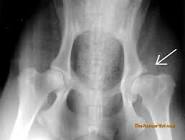
Arthritis pain can be increased by obesity. All that extra weight increases the impact on joints, aggravating the pain that may have already been present from arthritis, hip dysplasia, or intervertebral disc disease.
 surfdogrichocet.com
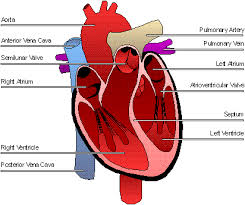
Heart disease. If the heart has to work harder to push blood through more vessels supplying fat cells, it can show problems with it's ability to pump that blood effectively.
Respiratory (breathing) issues. Dogs that are overweight have an increased risk of cough. They tend to pant more- working harder to move those fat-covered ribs. They seem to snore more, too.
Infections. Skin folds create great spots for bacteria to overgrow and cause skin infections. Extra skin that flaps over the vulva can make dogs more prone to vaginal and bladder infections.
So, there you have it. None of this is new information, but it all leads into the importance of attaining and maintaining a healthy weight.
One last word today. Dogs can have a condition in which the thyroid gland (a gland in the neck that produces hormones that regulate metabolism) under produces thyroid hormone. This is hypothyroidism, and it can decrease the metabolism top the point that dogs gain weight even on reduced calorie diets. Cats are very rarely hypothyroid. Your veterinarian can do blood work to confirm or rule out hypothyroidism, and can prescribe medication when it is present.
Enjoy your pets!
Arthritis pain can be increased by obesity. All that extra weight increases the impact on joints, aggravating the pain that may have already been present from arthritis, hip dysplasia, or intervertebral disc disease.
Diabetes is highly correlated with obesity in pets. Cats are at particular risk of this effect.
Hypertension. Again, cats are at particular risk of increased blood pressure. The hypertension, in turn can have terrible effects of other organs- kidneys and heart in particular.
Heart disease. If the heart has to work harder to push blood through more vessels supplying fat cells, it can show problems with it's ability to pump that blood effectively.
Respiratory (breathing) issues. Dogs that are overweight have an increased risk of cough. They tend to pant more- working harder to move those fat-covered ribs. They seem to snore more, too.
Infections. Skin folds create great spots for bacteria to overgrow and cause skin infections. Extra skin that flaps over the vulva can make dogs more prone to vaginal and bladder infections.
So, there you have it. None of this is new information, but it all leads into the importance of attaining and maintaining a healthy weight.
One last word today. Dogs can have a condition in which the thyroid gland (a gland in the neck that produces hormones that regulate metabolism) under produces thyroid hormone. This is hypothyroidism, and it can decrease the metabolism top the point that dogs gain weight even on reduced calorie diets. Cats are very rarely hypothyroid. Your veterinarian can do blood work to confirm or rule out hypothyroidism, and can prescribe medication when it is present.
Enjoy your pets!
Subscribe to:
Posts (Atom)